


Date
Professional photography is one of the most valuable marketing investments a hotel can make. Great imagery shapes first impressions, strengthens brand identity, and ultimately influences booking decisions.
But even the most beautiful properties can fall short during a shoot if the planning and preparation aren’t there.
After working with hotels and hospitality brands, we’ve seen a few common mistakes come up time and time again — many of which can easily be avoided with the right approach.
1. Waiting Too Long to Start Planning
One of the biggest mistakes hotels make is not giving themselves enough time to properly prepare for a shoot.
A successful hotel production involves multiple moving parts: operations, housekeeping, food & beverage, marketing teams, stylists, and photographers all need to work together seamlessly. When planning happens too close to shoot dates, things tend to feel rushed -and that pressure shows up in the final imagery.
How to avoid it:
Start planning well in advance. At Digital Love, our production team helps during pre-production by working closely with our client to create detailed production schedules. The more organized the property is beforehand, the smoother and more efficient the shoot day will be.
2. Not Preparing Spaces Thoroughly Before the Crew Arrives
Photography is incredibly detail-oriented. Small imperfections that guests may never notice in person become very obvious on camera.
One of the biggest time-wasters during hotel shoots is having to pause production while rooms are cleaned, linens are steamed, furniture is adjusted, or styling issues are fixed in real time.
Not only does this slow the day down, but it also cuts into valuable shooting time.
How to avoid it:
Every space should be fully photo-ready before production begins. Walk through each location ahead of time and review it with a “camera-ready” mindset — not just an operational one.
3. Overlooking the Importance of Lifestyle Storytelling
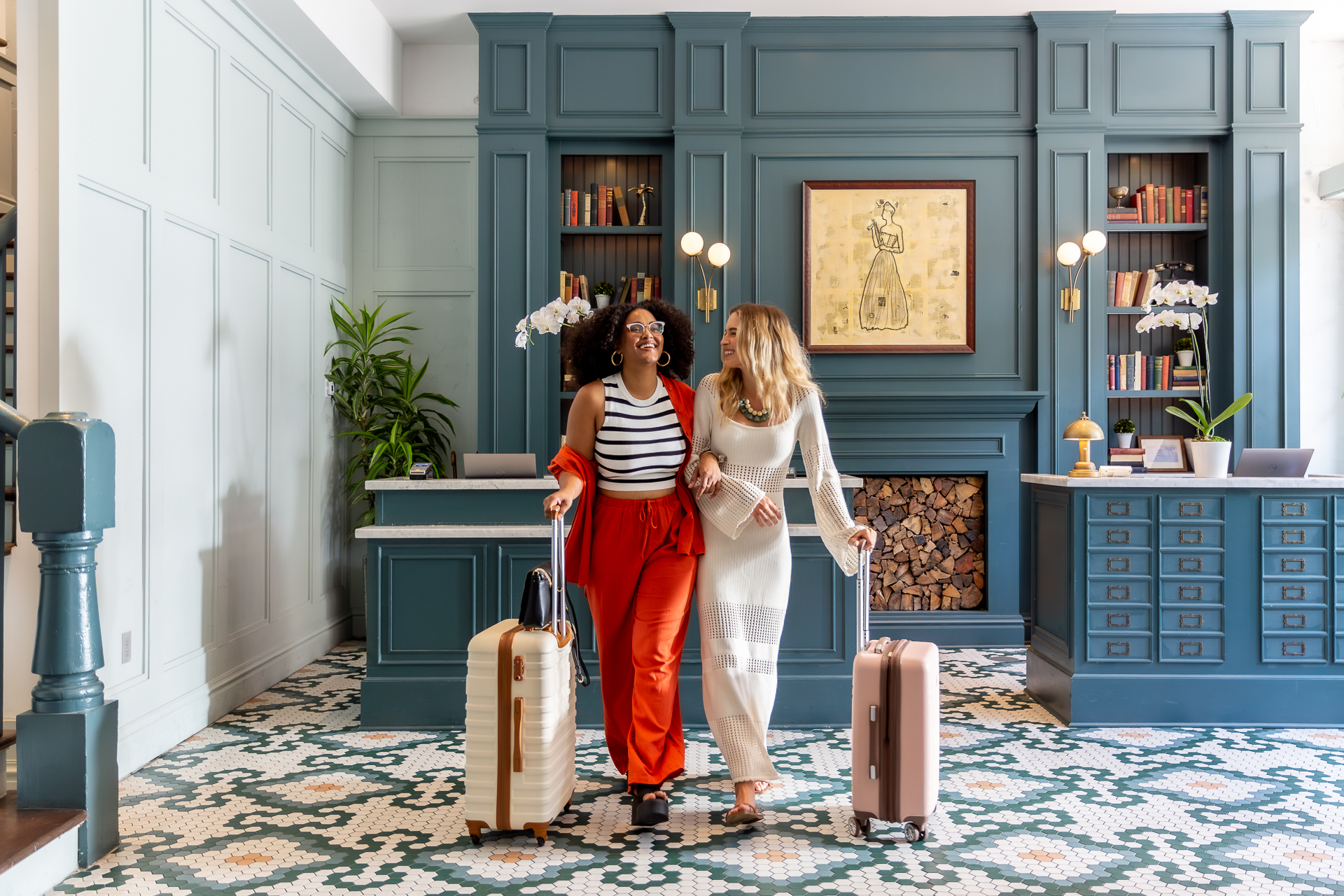
Many hotels focus heavily on architectural imagery but forget that today’s travelers also want to see themselves experiencing the property. Lifestyle photography helps create emotional connection and allows potential guests to visualize the stay experience.
However, one common mistake is creating generic lifestyle content that doesn’t actually reflect the hotel’s target demographic.
How to avoid it:
Your content should speak directly to your ideal guest. Whether you’re targeting luxury travelers, couples, wellness guests, or families, your imagery should reflect the experiences and atmosphere that resonate with that audience.
4. Relying Too Heavily on UGC and Social-First Content
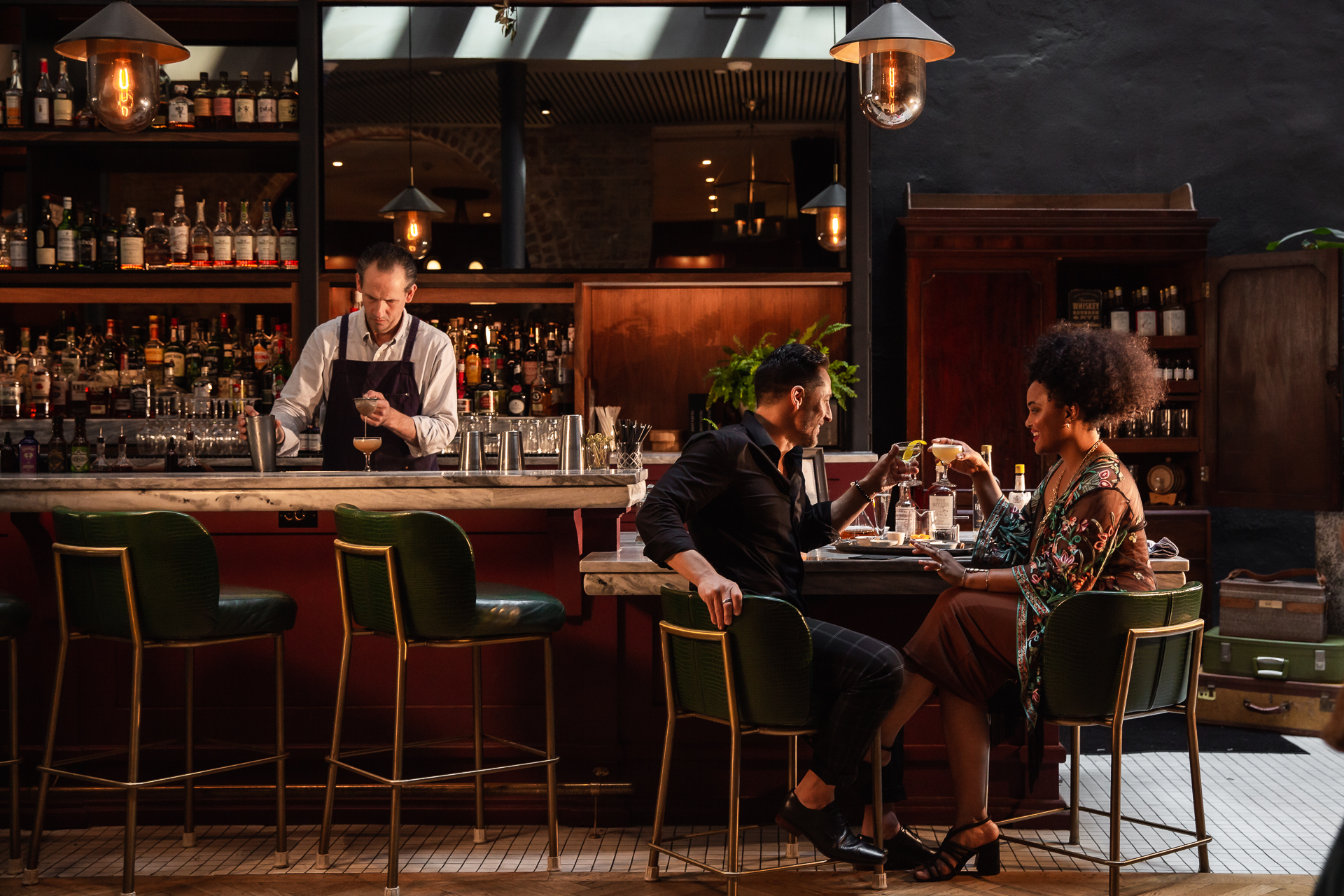
User-generated content and casual social media assets have become incredibly popular in hospitality marketing — and for good reason. They feel authentic, approachable, and engaging. But sometimes hotels rely too heavily on trend-driven content while neglecting foundational brand photography.
The reality is: professional imagery still matters deeply for websites, PR, advertising campaigns, editorial placements, and long-term brand positioning.
How to avoid it:
Think of social content and UGC as a complement to your visual strategy, not the entire strategy itself. Your property should maintain a well-rounded content library that includes:
- Architectural photography
- Lifestyle imagery
- Food & beverage content
- Detail shots
- Amenities and experiences
- Social assets
The strongest hotel brands invest in a balance of all of the above.
5. Not Having Featured Amenities, Dishes, or Cocktails Planned Ahead of Time
Food & beverage shoots can easily become chaotic without preparation. One of the most common production delays happens when teams are deciding what to photograph during the shoot itself — choosing cocktails, plating dishes, or figuring out styling direction on the fly.
How to avoid it:
Pre-select menu items, cocktails, amenities, and experiences in advance based on your marketing goals and target audience. This allows the creative team to focus on execution instead of decision-making during production.

6. Not Preparing the Property Team
Even the best creative teams can struggle if the property staff isn’t aligned and informed beforehand. We often see delays happen simply because departments aren’t aware of the production schedule, rooms get accessed unexpectedly, or operational teams aren’t prepared for shoot-day adjustments.
How to avoid it:
Communicate clearly with all departments prior to the shoot. Everyone involved should understand the timeline, expectations, and how they can help support the production process.
7. Shooting Before the Property Is Fully Ready
Hotels sometimes rush photography before all final details are complete — unfinished decor, missing furniture, landscaping issues, or temporary fixes often become noticeable in the final images.
While some things can be retouched, it’s always better (and more cost-effective) to capture spaces correctly from the beginning.
How to avoid it:
Schedule photography once spaces are fully finished and visually complete. Final styling and design details make a huge difference in the quality and longevity of your content.
Final Thoughts
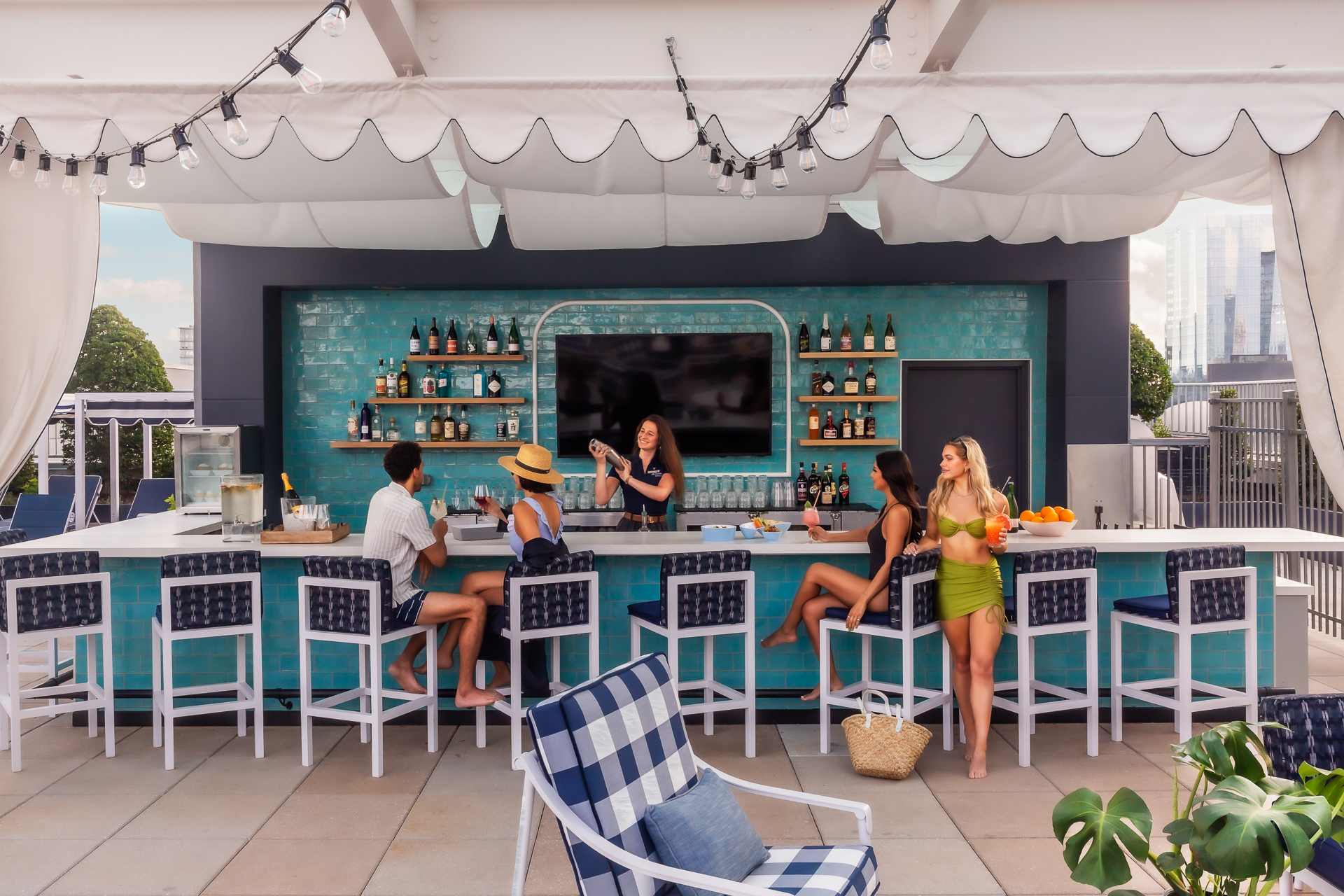
A successful hotel photoshoot is about much more than beautiful photography. The best productions happen when there’s clear planning, strong communication, and a thoughtful content strategy behind the scenes.
When hotels take the time to properly prepare — from styling spaces to defining their audience and aligning their team — the result is a content library that feels elevated, intentional, and built to support long-term marketing goals.
